
Illinois Cannabis Product SKU Feasibility Checks That Protect Your Budget and Your Timeline
Validating a cannabis product idea early is the difference between a clean launch and an expensive stall. In Illinois, sourcing, compliance, manufacturing feasibility, and retail readiness all have to line up before a concept can become a viable SKU. This process is about clarity, not creativity alone. The goal is to move from idea to shelf with confidence, avoiding dead ends that drain capital and delay timelines.
Why Early Feasibility Validation Matters in Illinois
Illinois cannabis regulations create hard boundaries around what can and cannot be manufactured, packaged, and sold. Many concepts fail not because they are bad ideas, but because they were never validated against sourcing realities, compliance rules, or production repeatability. When validation happens too late, teams are forced into costly rework, packaging redesigns, or ingredient substitutions that undermine the original intent.
A feasibility-first approach focuses on asking the hard questions before development accelerates. Can this product be sourced consistently? Can it be manufactured at scale without variation? Can it be labeled, packaged, tested, and replenished without friction? These questions protect both the budget and timeline, and they pair naturally with a structured manufacturing pathway like CNS Harvest’s cannabis product manufacturing approach.
Ingredient Sourcing Reality Checks Before You Commit
Ingredient sourcing in Illinois is not just about availability; it is about legality, traceability, and consistency. Every input must come from licensed, compliant sources, and the supply must be stable enough to support repeat production runs. If an ingredient cannot be sourced reliably, the SKU will never scale.
Early sourcing validation identifies risk before capital is deployed. This includes confirming supplier capacity, understanding lead times, and verifying that alternative sources exist if a primary supplier fails. Products built on fragile supply chains often collapse under real production demand, which is why many teams begin with a feasibility discussion through Vendor Partnerships when the goal is to move quickly without guessing.
Packaging and Labeling Constraints That Shape Feasibility
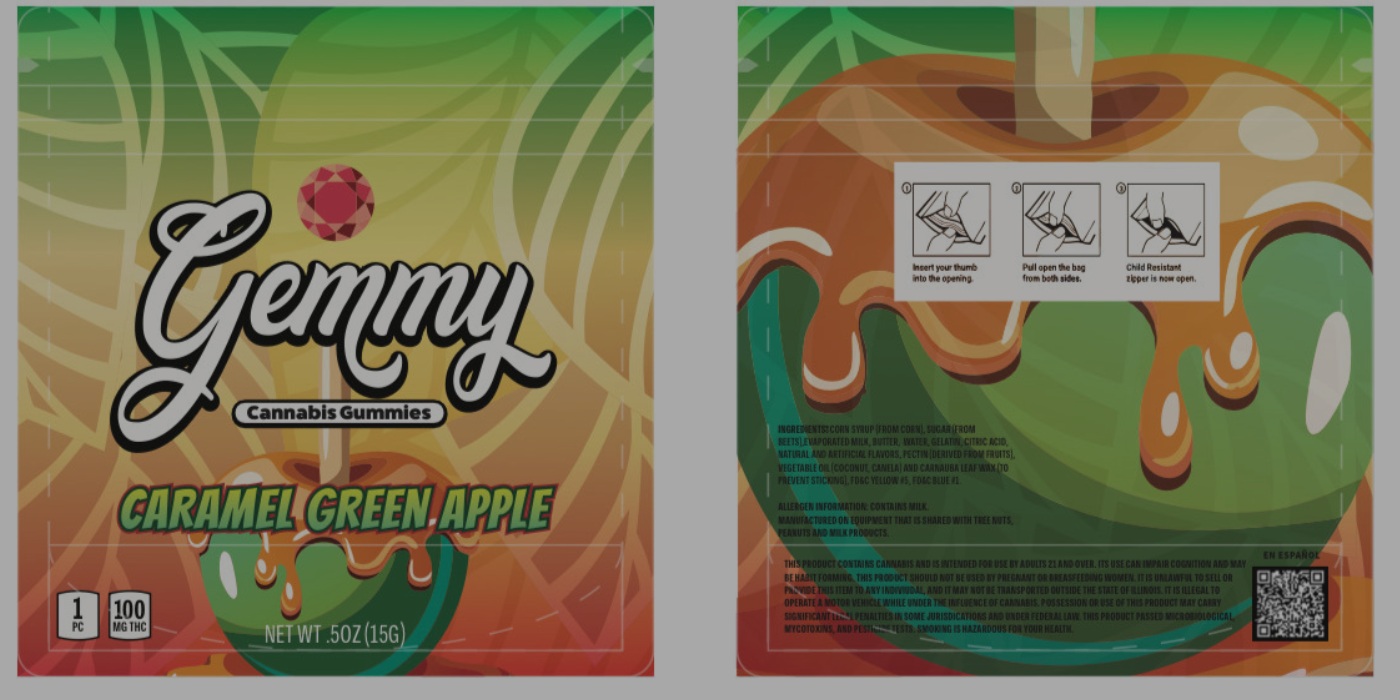
Packaging is one of the most common failure points for new SKUs. Illinois requirements for child resistance, opacity, labeling content, and warning placement leave very little room for improvisation. A concept that looks great in design software may be impossible to execute once compliance text and symbols are applied.
Validating packaging feasibility early prevents redesign cycles and wasted inventory. Shelf-ready execution means the product can move directly from delivery into retail planograms without relabeling, repackaging, or compliance corrections. Teams that also plan for consistency across menus and store ops often review retailers’ resources to keep the workflow aligned with real buyer expectations.
Manufacturing Feasibility and Batch Repeatability
A viable SKU must be repeatable. That means the same formulation, potency, texture, and experience across every production run. Products that cannot be produced consistently introduce risk at every level, from testing failures to customer dissatisfaction.
Manufacturing feasibility checks focus on process stability. Can the product be produced using existing equipment? Does scaling volume introduce variability? Are production timelines realistic for retail replenishment cycles? These answers determine whether a concept is operationally sound or structurally fragile, and they connect directly to the standards behind the process of infusing cannabis into products.
Identifying Dead-End Ideas Before They Drain Capital
Some ideas are simply not viable under Illinois rules, and the sooner that is identified, the better. Red flags include ingredients with limited licensed supply, packaging concepts that cannot meet compliance standards, and formulations that fail repeatability tests at scale.
Walking away early is not failure; it is discipline. Feasibility checks exist to prevent teams from sinking resources into concepts that will never reach the shelf. In many cases, minor adjustments can salvage an idea, but only if issues are identified before production commitments are made.
From Concept to Viable SKU: A Retail-Ready Workflow
Moving from idea to SKU requires structure. The process begins with feasibility validation, followed by sourcing confirmation, compliance alignment, and manufacturing assessment. Only once those gates are cleared should branding, packaging production, and retail rollout be finalized.
This workflow reduces friction, shortens launch timelines, and protects margin. It ensures the final product is not only compliant but operationally aligned with how Illinois retailers actually buy, stock, and sell cannabis products. Related reading can be found in CNS Harvest’s Cannabis Insights.
Retail Readiness: Will This Actually Get Stocked?
A compliant product is not automatically a sellable product. Retail readiness considers whether dispensaries will carry the SKU, whether budtenders can explain it easily, and whether the product fits existing shelf and category strategies.
Products that create confusion, require excessive explanation, or introduce compliance risk are often rejected by retail teams. Validating retail readiness early ensures the SKU solves a real problem rather than creating a new one, and it complements retailer-focused planning like white-label cannabis products for Illinois dispensaries, when the end goal includes exclusive programs.
Scaling Without Breaking the System
Scaling exposes weaknesses. Processes that work for small batches often fail under volume. Ingredient shortages, labor inefficiencies, and quality drift become more pronounced as production increases.
Feasibility checks include stress-testing the concept against scale. This ensures production methods, sourcing agreements, and quality controls can support growth without compromising consistency or compliance. Multi-channel planning can also overlap with distribution realities, which is why some teams reference Distributors early in the process.
Why Testing and Quality Control Are Strategic Tools
Testing is not just a regulatory requirement; it is feedback. Lab results reveal process gaps, ingredient variability, and formulation instability. Treating testing as a diagnostic tool rather than a hurdle strengthens long-term product performance.
Building quality control into every stage of production reduces batch failures and protects retail relationships. Consistency builds trust with both regulators and buyers, and it keeps replenishment predictable instead of reactive.
Validating Before You Spend Another Dollar
Every dollar spent before feasibility validation increases risk. Confirming sourcing, compliance, packaging, manufacturing, and retail readiness early prevents wasted investment and stalled launches. Before committing capital, concepts should be evaluated against Illinois operational realities. A product that passes feasibility checks moves forward with clarity. A product that fails early saves time, money, and reputation.
Learn more about our approach to cannabis manufacturing and retail readiness at CNS Harvest, explore additional insights in the CNS Harvest blog, or start a feasibility conversation through Contact.

Validate Your Product Concept Before You Spend Another Dollar
If you have a cannabis product idea and need to know whether it can actually be sourced, manufactured, packaged, and sold in Illinois, this is the step that protects you. We help operators pressure-test concepts against real ingredient availability, compliance constraints, production repeatability, and retail expectations before capital is committed. Use this process to confirm feasibility, identify risks early, and move forward with a product plan that is built to reach the shelf instead of stalling in development.
To discuss a retailer-led product idea or operational manufacturing support, visit the Retailers page or contact CNS Harvest to begin an operational conversation.
Contact CNS Harvest | Cannabis Product Manufacturing
Start the conversation (If that doesn’t open, try Gmail or Outlook )

Explore white-label options | Read: Illinois cannabis manufacturing built for sell-through
Frequently Asked Cannabis Product Sourcing Questions
How early should feasibility validation happen?
Before packaging is ordered, before ingredients are committed, and before production timelines are promised. Early validation prevents sunk costs.
Can a concept be adjusted instead of scrapped?
Often yes. Many dead-end ideas can be salvaged through ingredient changes, packaging revisions, or format adjustments, if identified early.
What usually breaks first when scaling?
Ingredient sourcing consistency and process repeatability are the most common failure points when volume increases.
Is retail readiness different from compliance?
Yes. Compliance ensures legality. Retail readiness ensures the product can actually be stocked, explained, and reordered by dispensaries.
Why is Illinois feasibility different from other states?
Illinois has strict sourcing, packaging, and testing requirements that materially affect what can be manufactured and sold at scale.
